
Since the original publication of this post in 2022, Isotropix's Clarisse and Angie have both been discontinued. Consider this post an official obituary and a reminder that software requiring a monthly subscription can disappear without notice—even if you invest time and money to learn it. However, no one can take away the principles, techniques, and work you develop along the way. Clarisse, you were good, but not open-source. RIP.
At the time, Clarisse was a beast at handling large quantities of geometry. Instancing and populating extremely high-polygon geometry across vast environments is a technical nightmare, typically requiring LODs, proxies, and other optimization methods just to make it possible—and even then, you still have to deal with expensive render times.
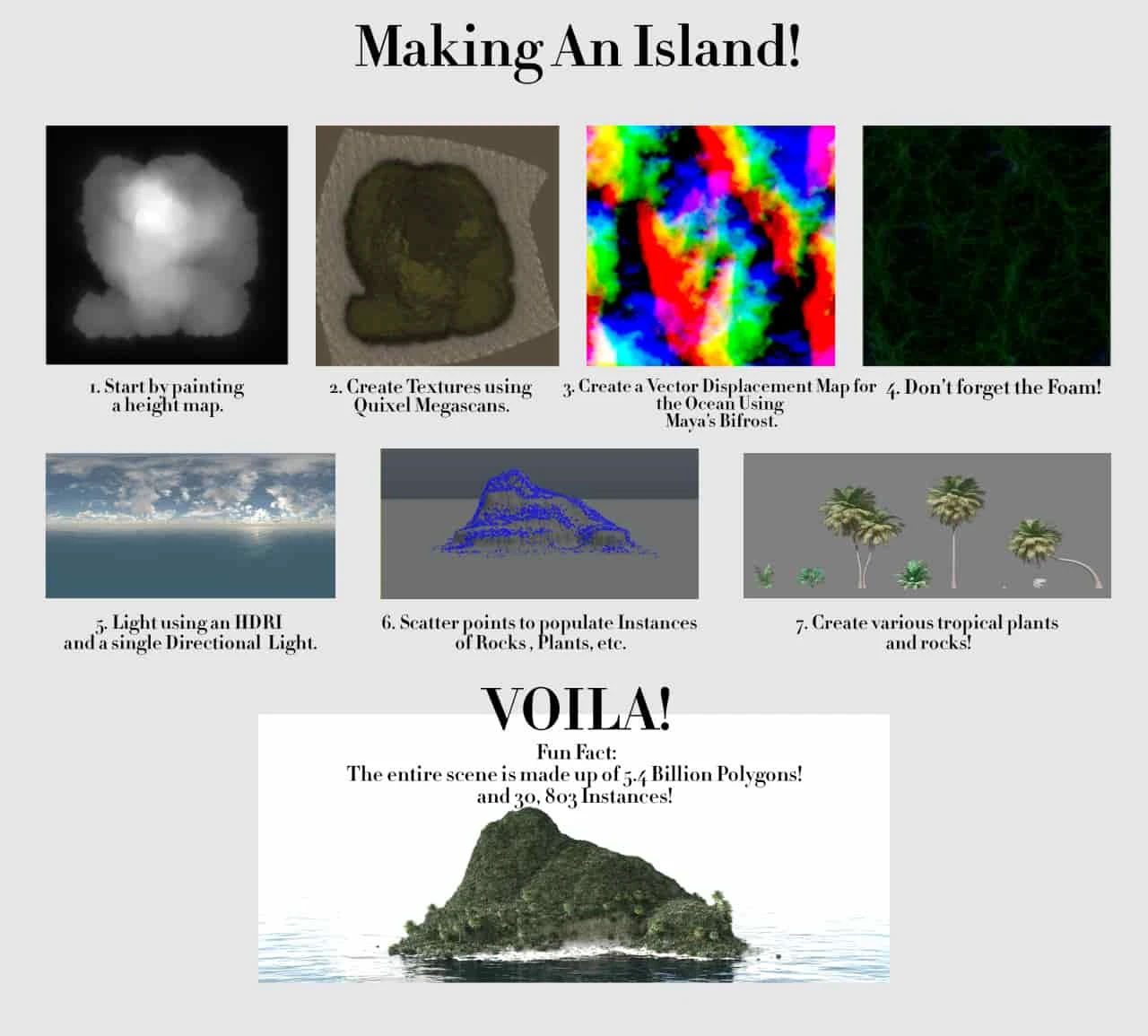
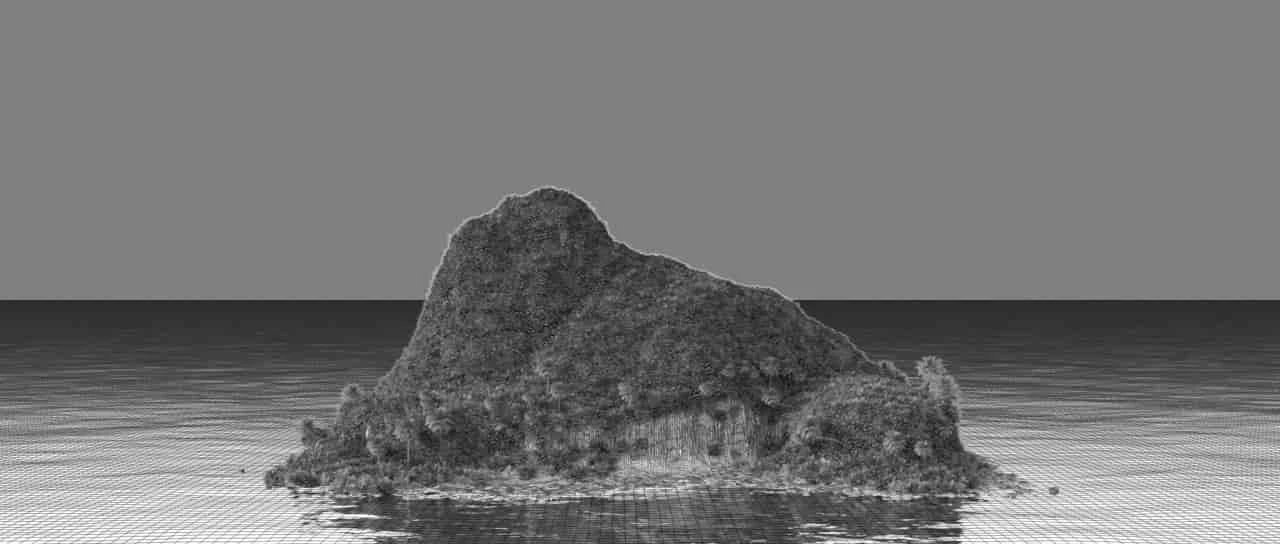
Clarisse allowed you to skip the optimization process while maintaining decent render times. Before the inclusion of Angie, it relied on a CPU-based render engine that featured some pretty nifty shaders that weren't really available in other engines at the time. As an experiment, I designed and rendered a scene containing 5.4 billion polygons and was able to tweak render times down to only a few minutes per frame. Not bad.
I think Clarisse's demise can be attributed to Isotropix's lack of foresight. I remember reading on various forums that DNEG, ILM, and other VFX houses used it for environments, and their crews hated it. The only alternatives were, and still are, Foundry's Katana, Guerilla Render, SideFX's Solaris/Karma, Image Engine's open-source Gaffer, and even Unreal Engine increasingly became a contender. I've used all of these to some extent, and Clarisse was always a bit clunkier. The lack of wider adoption likely made it difficult for Isotropix to improve the program—particularly its noisy render engine—and by failing to iterate quickly, they were left with clunky software that people ultimately refused to use. It was a catch-22 of sorts.
Keep in mind, however, that the alternatives were becoming much more appealing; the shiny new technology of Solaris/Karma and Unreal Engine likely competed with Isotropix's business in more ways than one. SideFX put themselves in a clever position with Solaris/Karma, which arguably stands as the best option for these large-scale scenes today. By embedding it directly within Houdini—a requirement at most studios—they created an incredibly powerful lookdev toolkit that functions seamlessly. Similarly, Unreal Engine, a game engine, now offers an accessible toolset tailored for visual effects. Ultimately, no amount of widespread adoption could help Clarisse compete against low-cost, powerhouse features built into applications that studios and artists already owned.
Of course, it goes without saying that software comes and goes; I can't count the number of different programs I've seen arrive and vanish (Remember Softimage or Fabric Engine?). It happens. But Clarisse was a neat program, and I thought it would last longer than it did. Oh well!