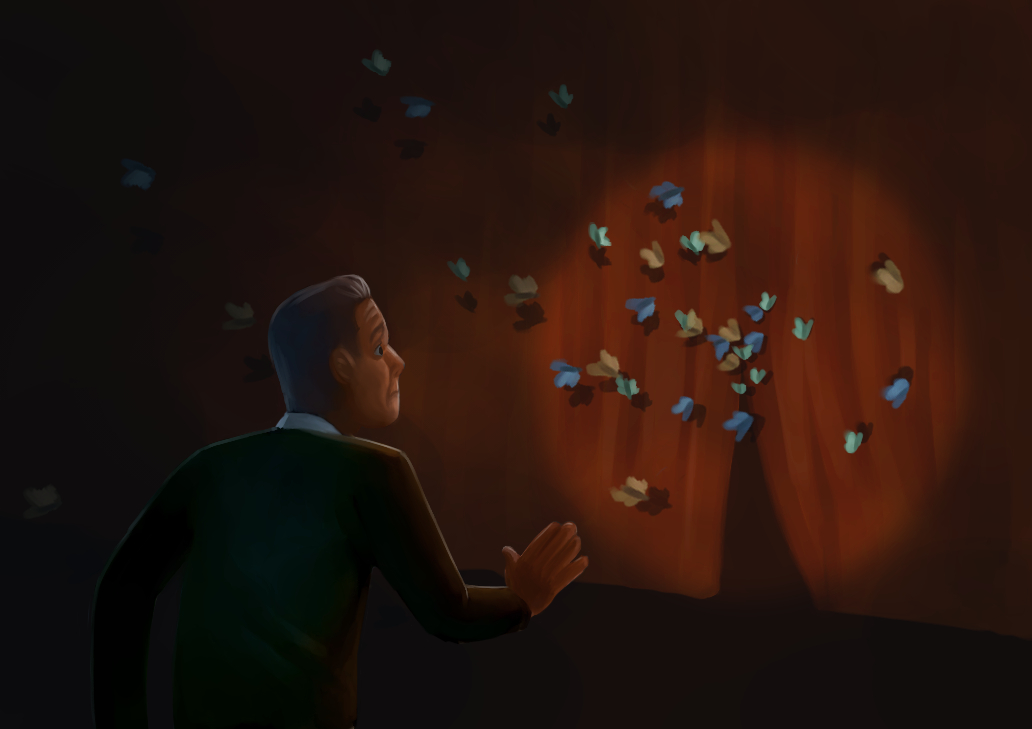
As of this writing, it has been two years since I completed the Epilogue project. Even now, looking at those images brings back a familiar knot of nausea, stress, and excitement in the pit of my stomach. The goal of this blog is to share the project’s inception, creation, and ultimate failure, while documenting what it taught me about ambition, overachieving, and expectation.
Genesis
My journey began in 2019, when my professor recommended I apply for the Fall 'Photography Portfolio' class after seeing some of my other work.
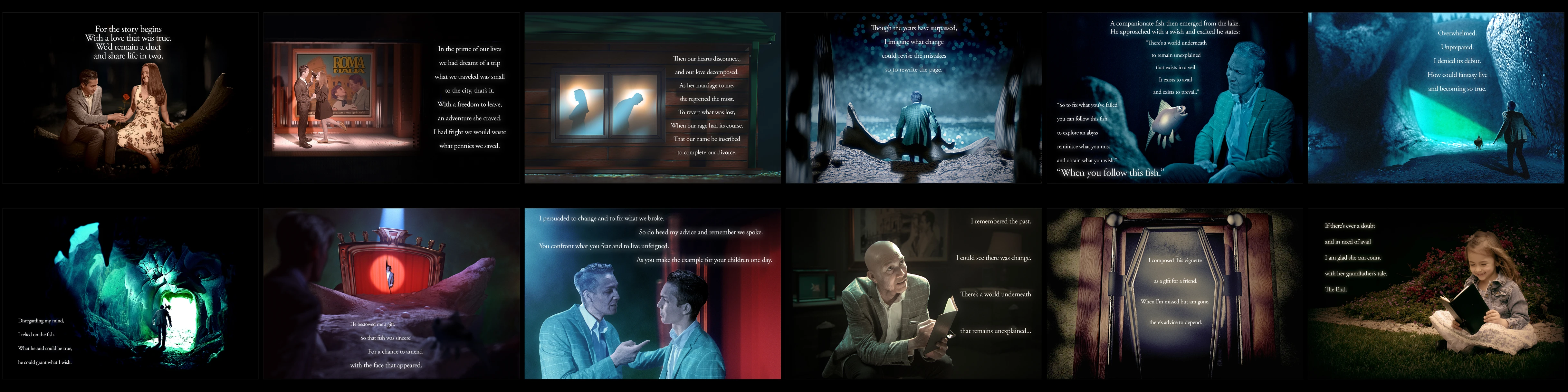
The premise of the course was straightforward: create twelve original works centered around a single concept. I decided to build a "photographic" storybook. The only thing missing was a compelling narrative.
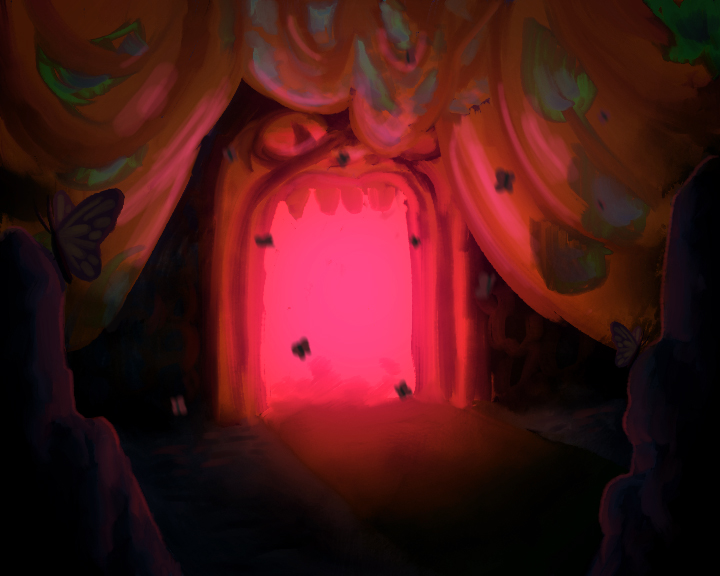
That changed one day during meditation, when a distinct vision appeared: an older man with white hair and a faded suit, following a fish out of the water and into the forest. The image etched itself into my mind. Inspired, I pitched the concept to my class the following day. My professor loved and approved it, and I was off to create my photographic epic—though I had a few immediate problems to solve first.
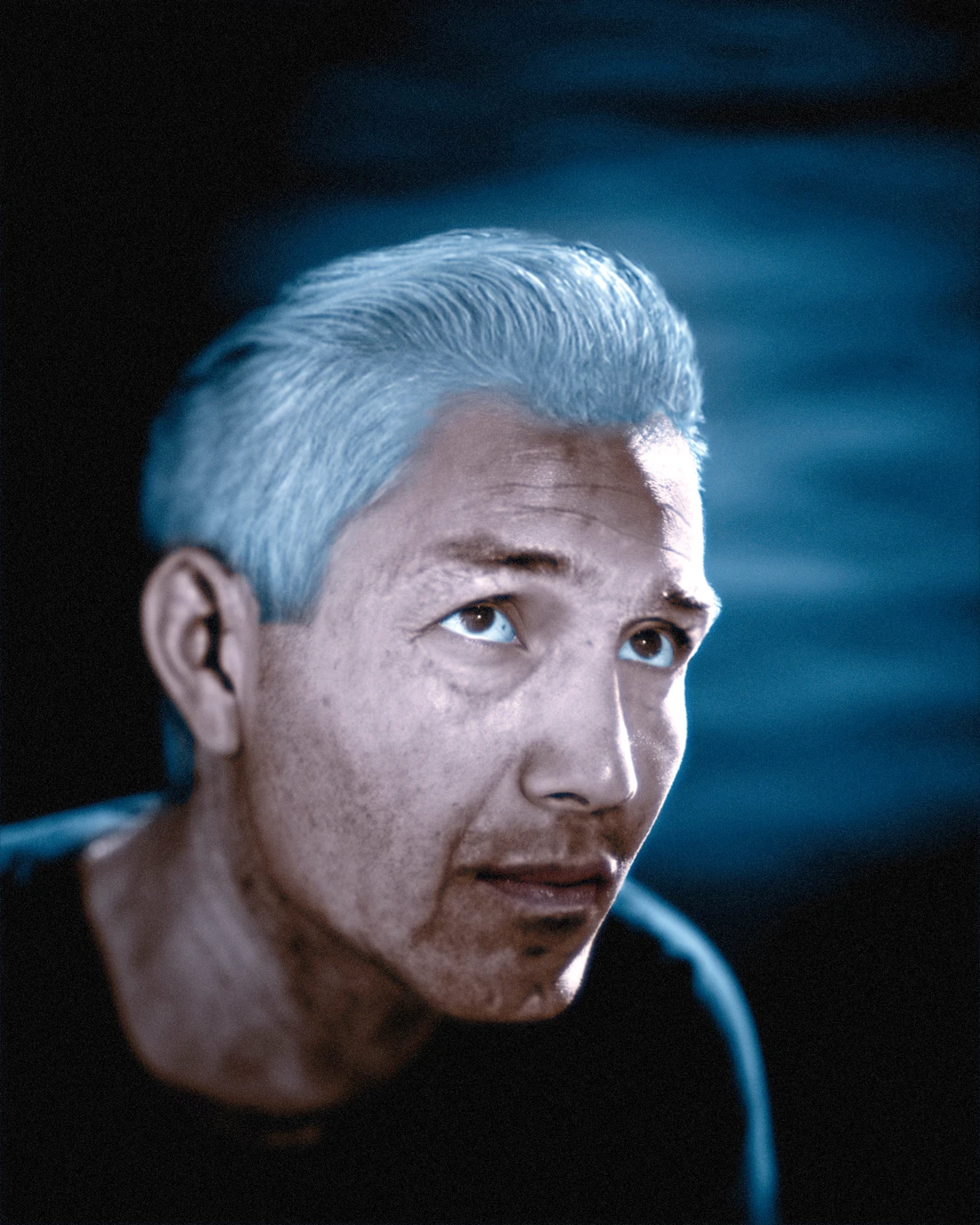
First, the story needed a protagonist. I reached out to my close friend Jeffrey, who had graduated from Chaffey just a month prior. Second, I had to age him convincingly. Luckily, FaceApp was blowing up across social media. The app was mired in a privacy controversy at the time, but for the sake of the art, it was a risk I was willing to take.
The Creation
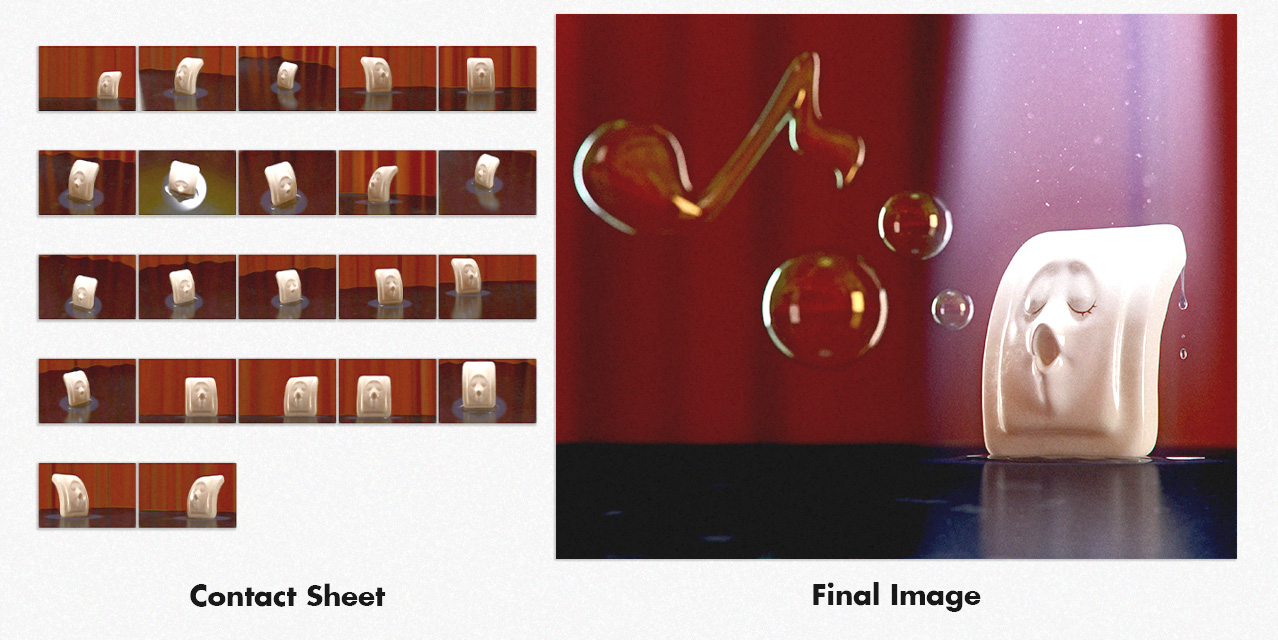
Initially, the photographs only captured disjointed segments of a story that lacked any real direction. The project was becoming a mess. As deadlines slipped past, I scrambled to keep up. To compensate, my imagination spun out of control: I envisioned lavish sets, intricate costumes, and monsters, aiming for a highly theatrical, operatic style. I even wanted to dress Jeffrey in makeup and wardrobe reminiscent of Pavarotti in Rigoletto—a grand vision that was a far cry from reality. Ultimately, that fantasy crashed into a harsh truth: I had only a week left to produce the images for this storybook, and I completely lacked the budget, the time, and the skills to pull it off.
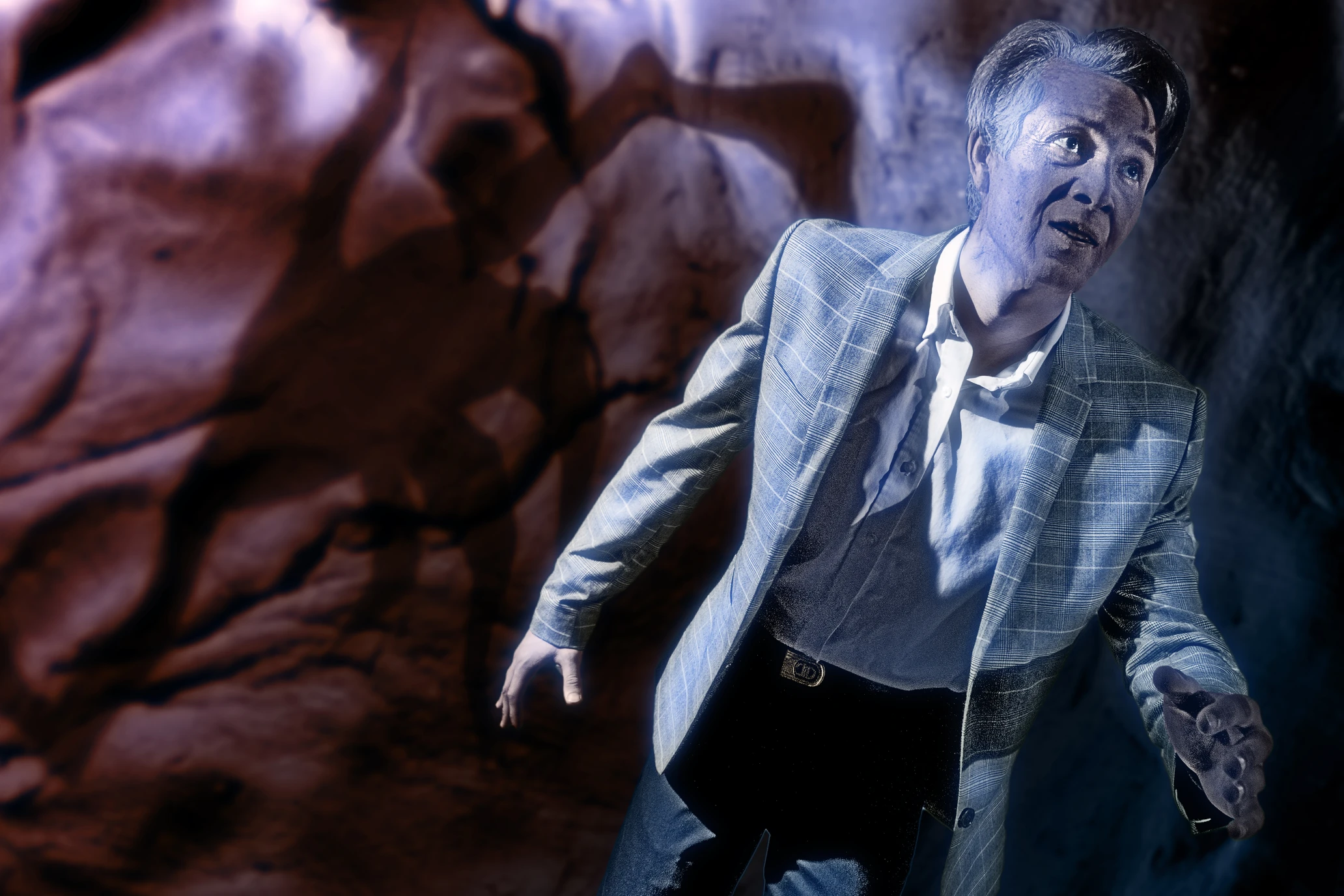
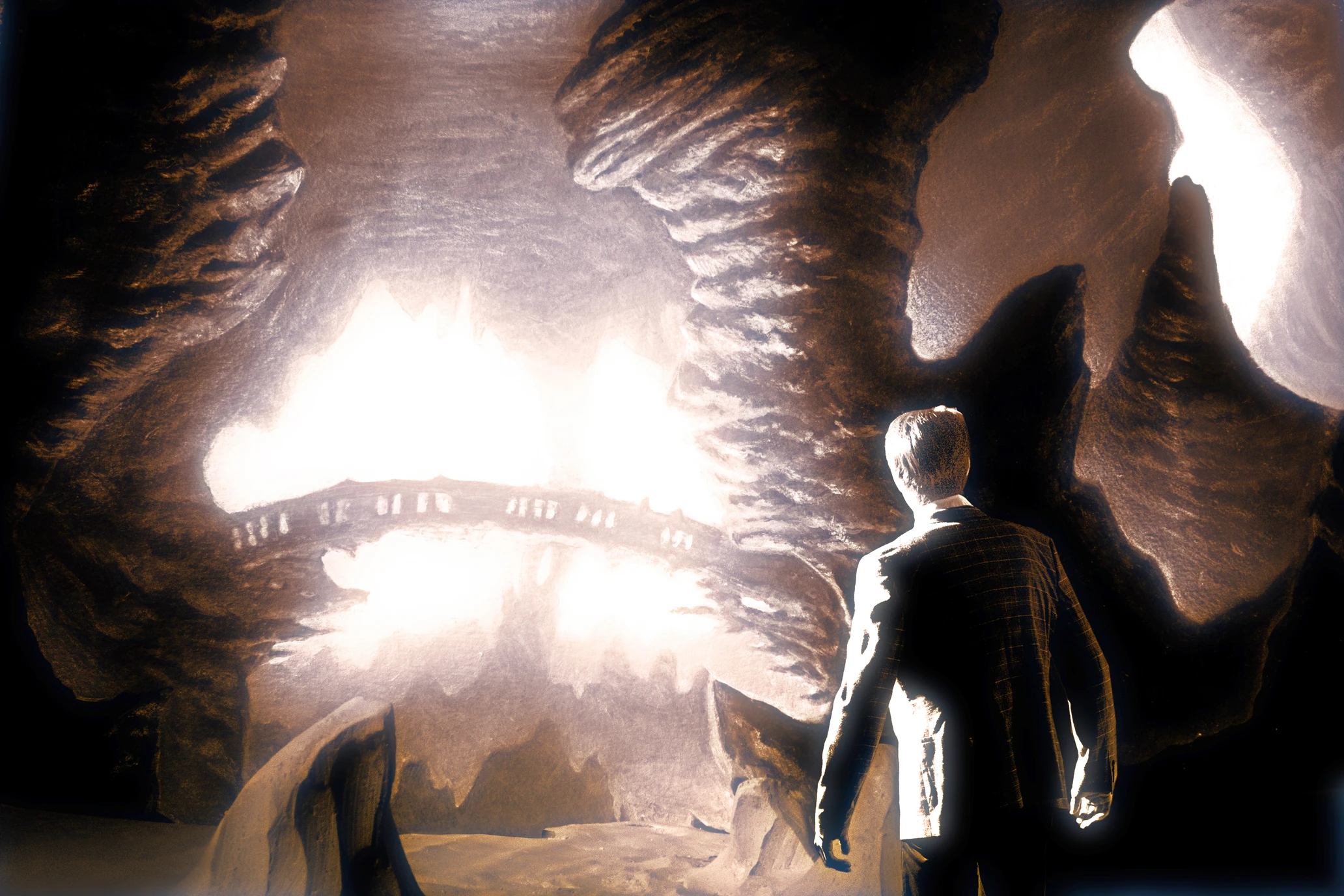
Toward the end of the semester, my professor pulled me aside and urged me to apply for the Student Invitational—an exhibition I hadn't even heard of. It turned out to be an opportunity for students to showcase their work at the Wignall Museum of Contemporary Art. While the name sounded incredibly prestigious, the Wignall was actually a local museum owned and curated by the Chaffey faculty. Still, it offered the perfect excuse to keep developing my unfinished project without outside interference.
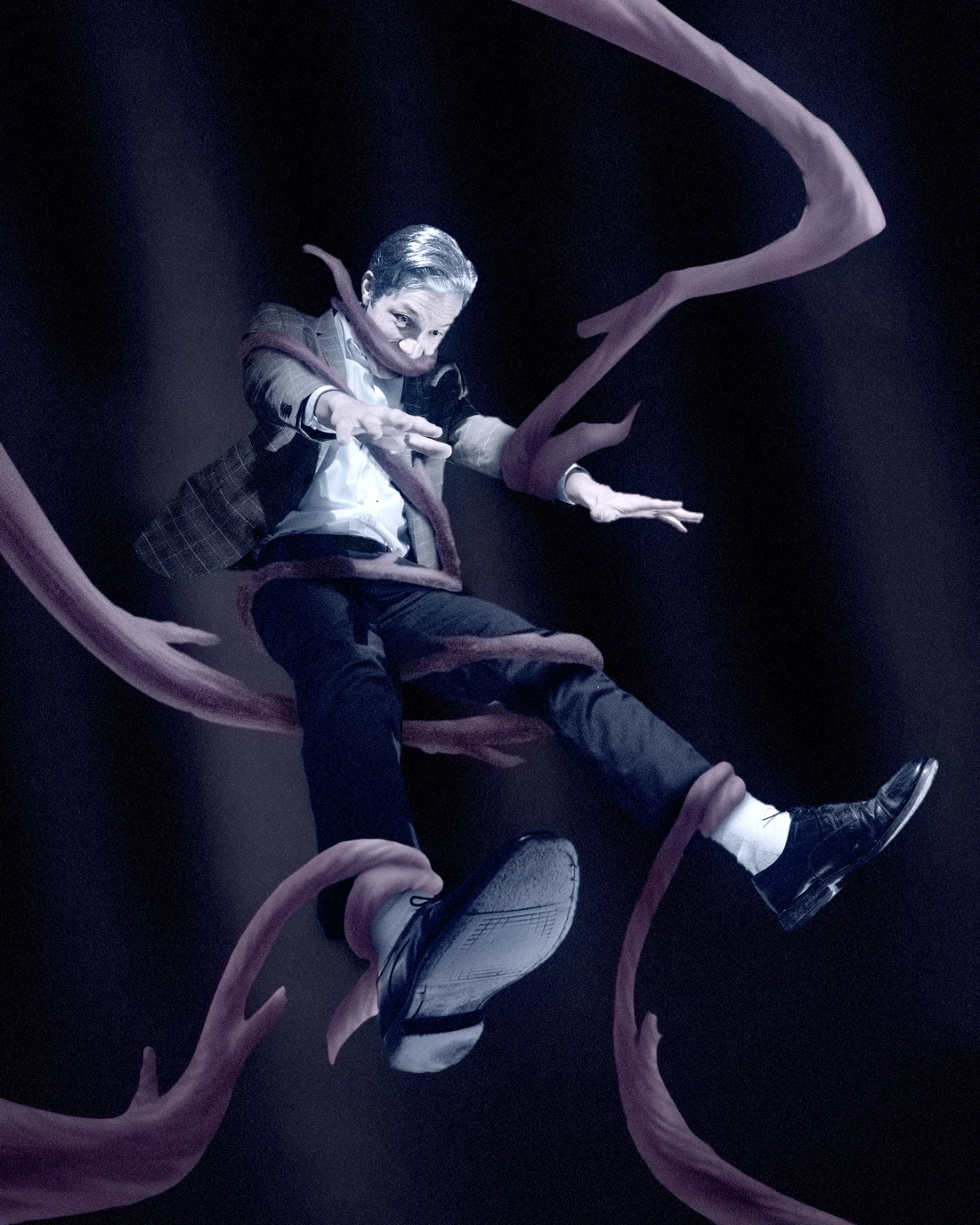
To apply, I submitted a binder packed with prints, concept drawings, and a project synopsis. A week later, the names of the ten selected students were posted on a humble sheet of printer paper taped to the classroom door. I scanned down the list, and there it was, right near the middle: David “overambitious” Mir.
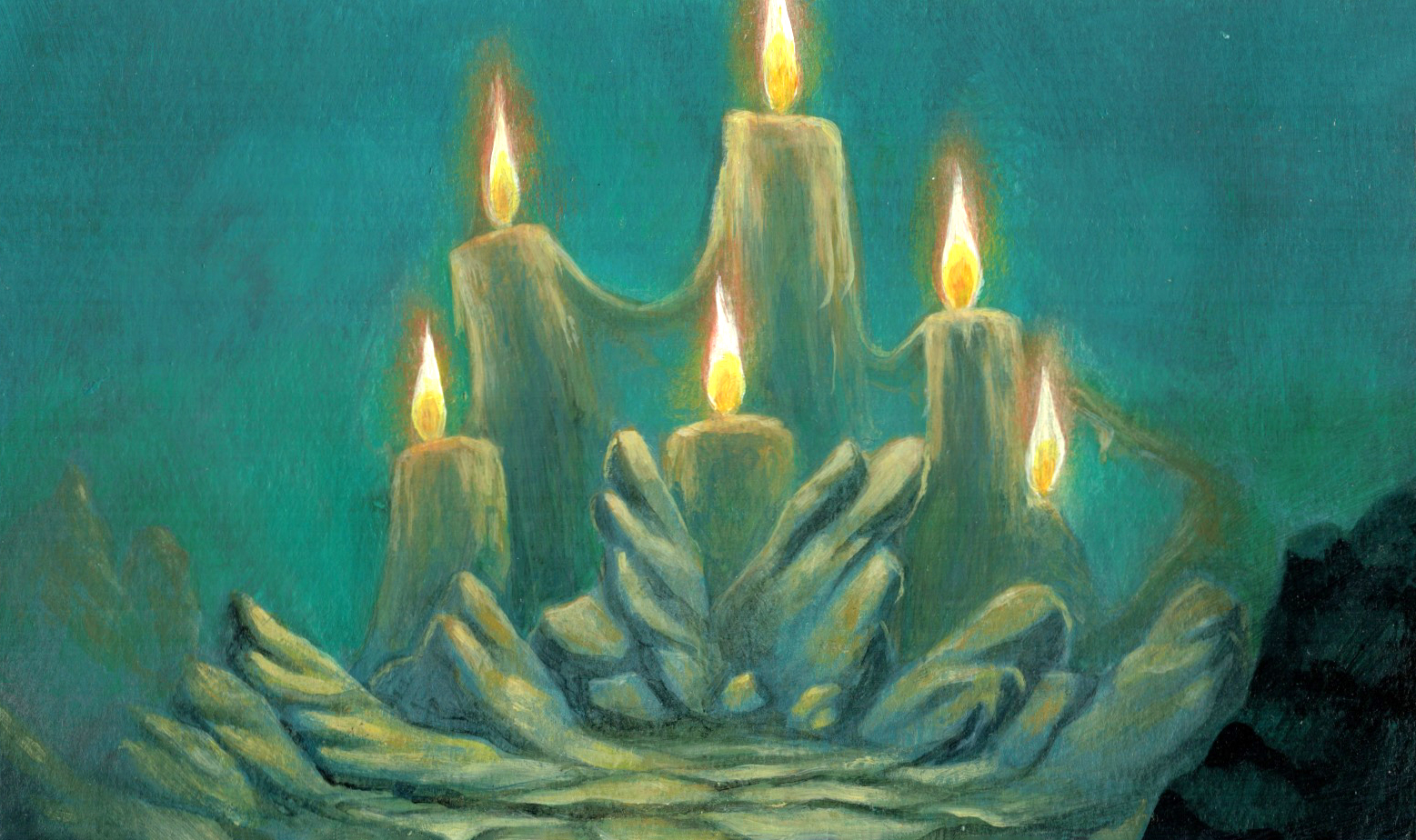
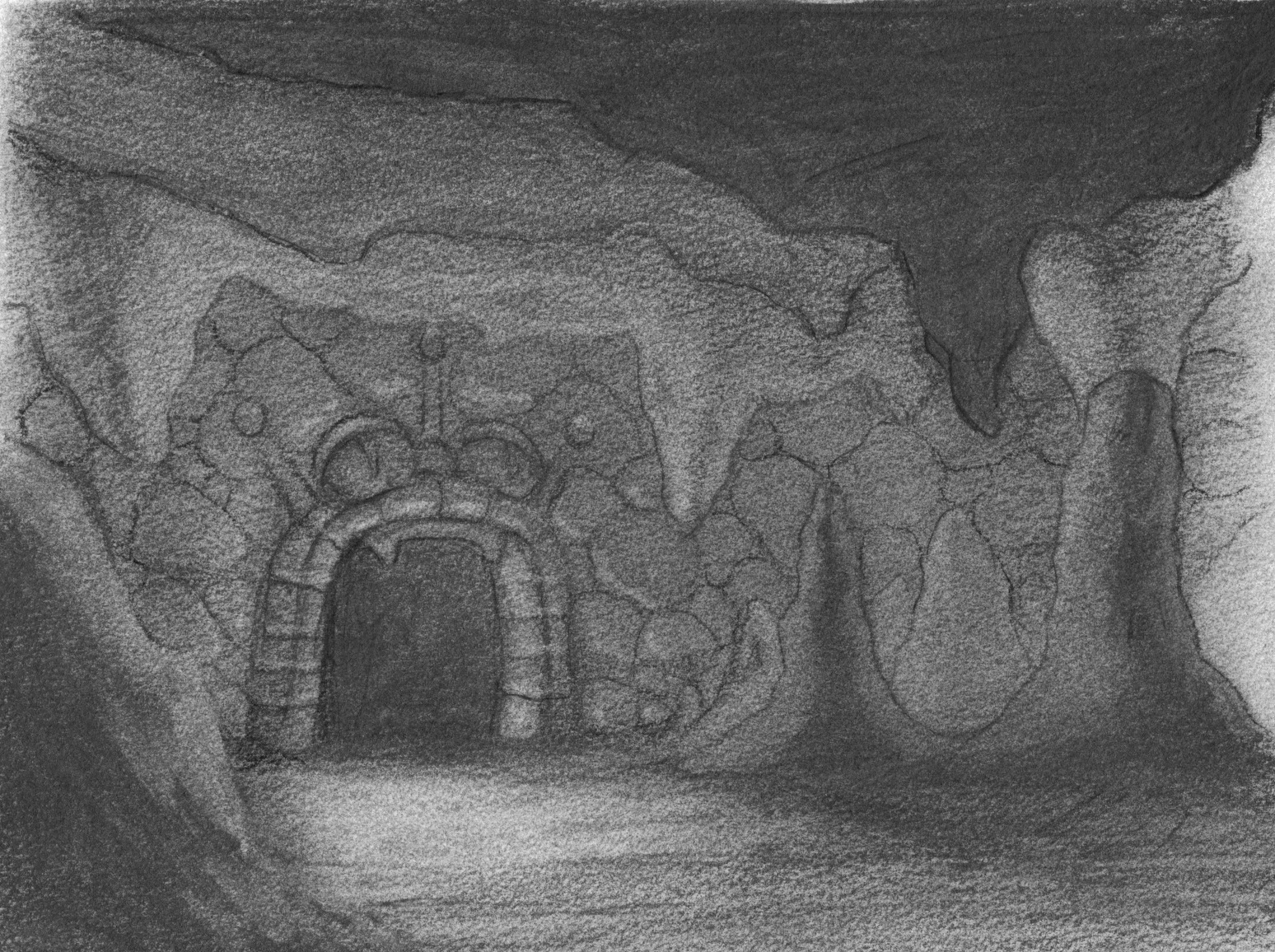
January of 2020 rolled around, and we were ready to begin preparing the exhibition. By then, I had adopted a new personal mantra: be the best, fuck the rest. I harbored this ridiculous goal of presenting my work and watching people literally faint from the indescribable beauty I had exposed them to.
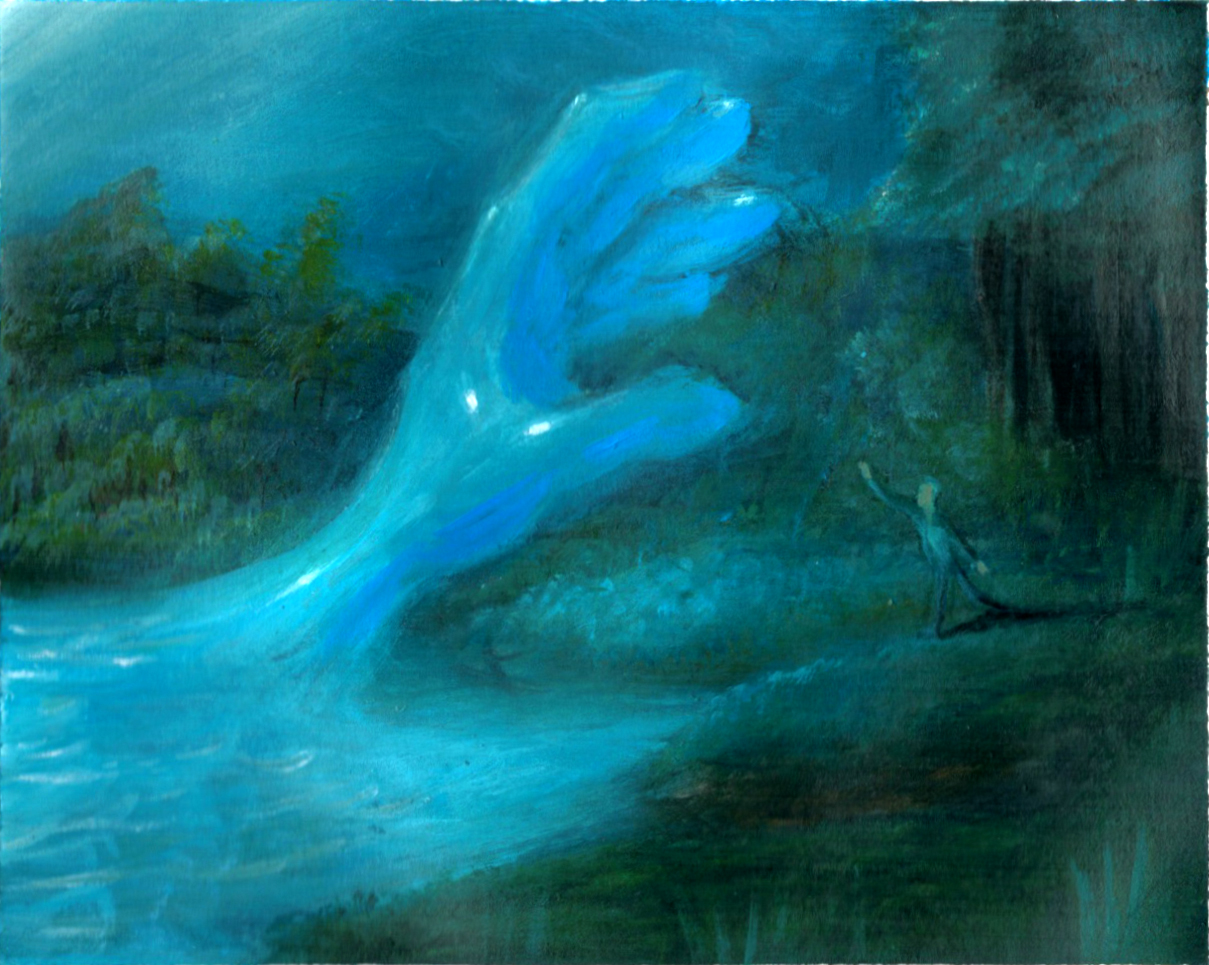
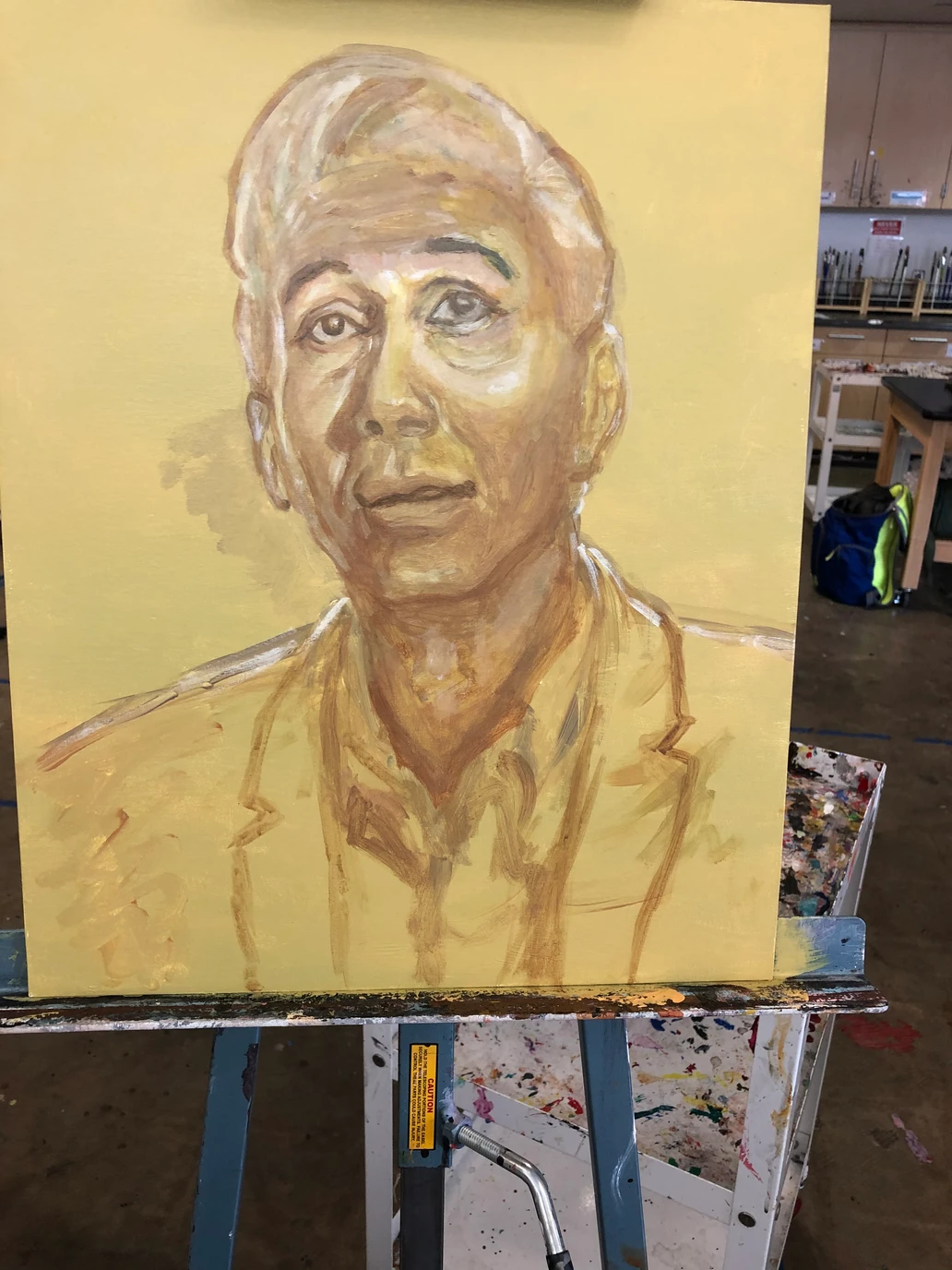
We met every Friday for about five hours to prep the gallery. Since I had already shot the bulk of my photos in a single weekend, I had very little left to do. I spent those sessions painting supplementary artwork, though none of it ever made the final cut. I also had a habit of being fiercely secretive about my progress—an insecurity disguised as a desire to keep the "magic" intact.
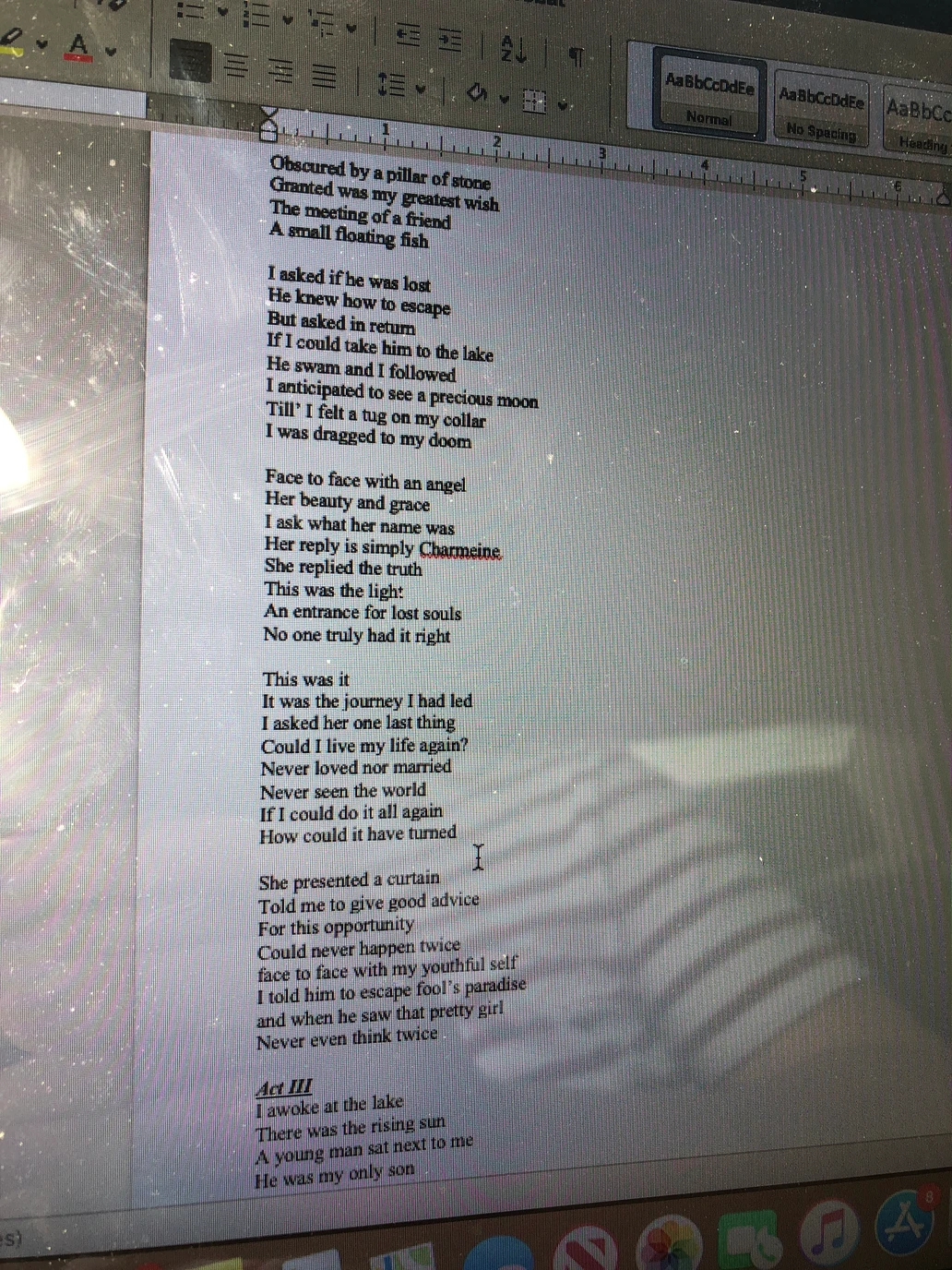
Then, I suddenly decided the project needed accompanying poetry. I wanted the verses to possess a distinct musical quality, making the reader feel as though they were singing. It was a sweet, if wildly ambitious, notion. Operating with zero actual understanding of the medium, my initial scraps were absolute dogshit; they had nothing poetic about them other than basic rhyme schemes. But after diving into some research, I stumbled onto the concept of poetic meter. Once it finally clicked, I began writing with structure, rhythm, and flow. I settled on anapestic tetrameter because it sounded sexy, despite being made famous by Dr. Seuss.
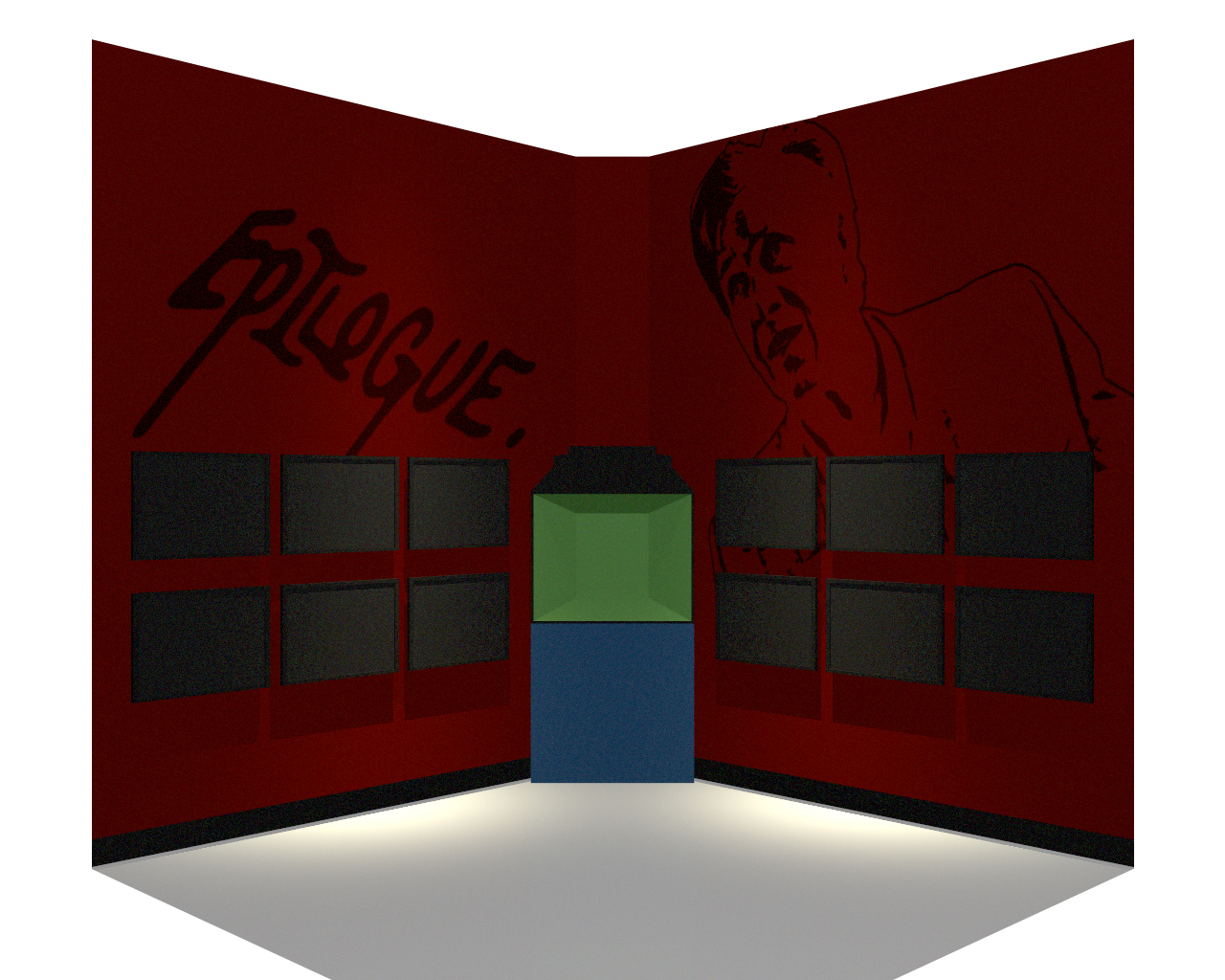
By late February, spring break was just a week away. The gallery staff requested our final installation mockups. Naturally, I stayed up the night before designing an unnecessarily grandiose layout: a giant mural, a miniature set, and my photographs displayed in massive 20x30-inch frames. The staff was visibly annoyed by my logistical demands. That afternoon, an email notification chimed: spring break was being extended by a week due to a rapidly spreading virus.
It sounds cliché, but it was pouring rain. I stepped outside to call my dad, still rationalizing the news as an overblown media scare. At the end of the day, the gallery directors called a meeting to confirm the worst: the exhibition was canceled. While other students broke into tears and argued with the staff, I just sat there in absolute silence.
The Virtual Void
During the two-week break, I kept working on the project. It was my baby, and I wasn't ready to give up on it yet. Soon after, we received notifications from the school that the entire curriculum would shift online—including the exhibition. Paradoxically, this worked in my favor: the images read much cleaner on a screen, and I was spared the massive expense of printing and framing.
Eventually, the deadline arrived to submit our work for the virtual gallery. I spent the night before frantically writing verses and putting final touches on the images. The following morning, we all met on Zoom with the various representatives of the art department. I had butterflies in my stomach, eagerly waiting for the panel to critique and analyze my narrative. One by one, my peers presented their concepts. One girl displayed ceramic plates painted with symbols of her youth; another guy showcased a light installation utilizing mirrors and a projector. For each of them, the faculty offered glowing commentary: “Your work reminds me so much of this artist and that movement.”
Finally, they got to me. I stared at the grid of digital faces, waiting to see who would be the first to faint. The curators flipped through my images in absolute silence. Finally, my photography professor spoke up: “It’s very... cinematic.” Then, they moved directly to the next thumbnail without another word. I was infuriated. Months of grueling work, sleepless nights, and cash drained on production costs, and all they could muster was a single, vanilla adjective.
Conclusion
Looking back, I realize I had set out to create a masterpiece while severely lacking in time, budget, skill, and contextual knowledge. More importantly, I learned that creative execution must always serve the narrative, never the ego. While overambition can occasionally drive technical innovation, it can just as easily paralyze your progress.
Second, I failed to find the project's true direction until the eleventh hour. I had built a plot, but lacked a straightforward narrative framework. Ultimately, the result was a story too complicated for a gallery exhibition, yet too short for a children's book. It possessed no clear audience—was it for adults, or was it for children? Furthermore, it wasn't particularly personal; I am not an old man concerned with legacy. I was, in reality, an anxious Zoomer paralyzed by the fear of making poor choices. Had I leaned into that vulnerability instead of hiding behind a character, the project might have found its true anchor.

Third, my expectations were entirely dependent on external validation. The desire to make a panel of critics literally faint was a symptom of artistic hubris; it is never the creator's prerogative to negotiate what the viewer deems beautiful. My grand goals were absurd because, underneath the aesthetic polish, the project didn't actually say much.
Yet, despite the flaws, I succeeded in building a deeply emotional narrative told entirely within the boundaries of twelve frames. For that, I am genuinely proud. And looking back at that Zoom critique, I realize that while every other student was neatly categorized and compared to historical figures, I stood alone. I still don't fully know how to interpret their silence, but it left me feeling entirely unique. I made something that refused to conform to the parameters of the gallery. I guess some fish are simply meant to swim outside of the water.